Halloween Decorative Font Review
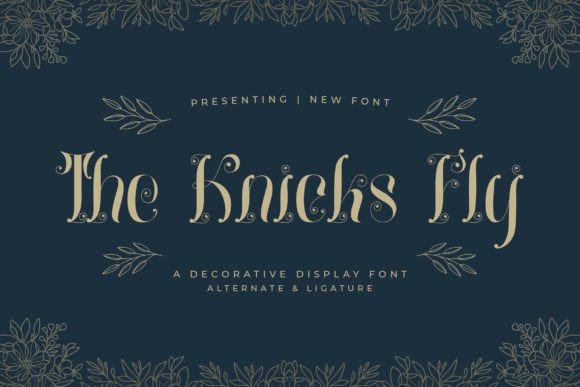
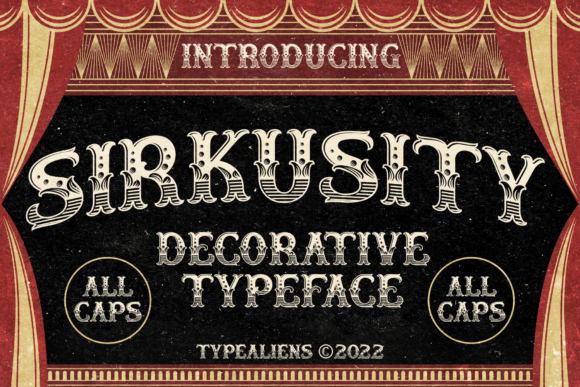
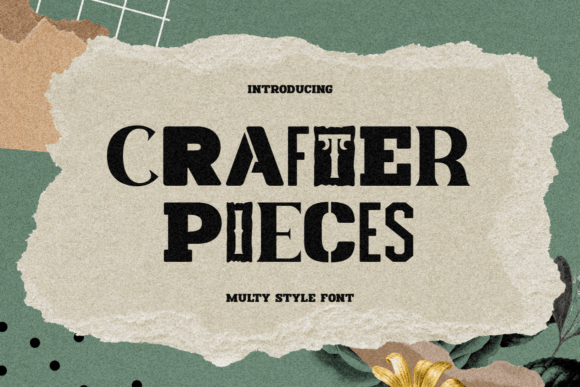
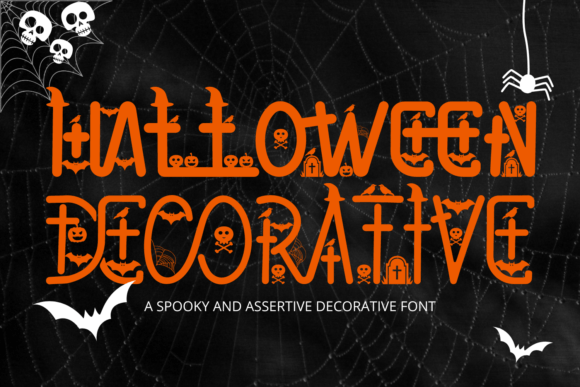
As a web designer, I often find myself searching for the perfect typeface to bring a project to life. Recently, I tested the Halloween Decorative Font on a few client websites and was immediately drawn to its unique character. This vintage and spooky display font feels like it was plucked from a haunted forest, with an irregular baseline that adds a whimsical touch to any digital design.
Visual Personality and Digital Appeal
Halloween Decorative exudes a sense of nostalgia and mystery. Its twisted strokes and uneven lines give it a handcrafted feel, making it ideal for creative projects that need a touch of the supernatural. Whether used in a hero section or as a heading on a landing page, this font brings a sense of storytelling to the screen. It’s not just a typeface—it’s a visual narrative that invites users to explore further.
The font works best when used sparingly. Its intricate details can become overwhelming if overused, especially in long paragraphs or dense layouts. However, when used as a focal point, it adds a layer of personality that can elevate a website’s overall aesthetic.
Use Cases in Web Design
I’ve found Halloween Decorative to be most effective in headers, call-to-action buttons, and promotional banners. On a boutique online store, it made the product titles stand out without overshadowing the rest of the design. In a blog header, it added a playful tone that aligned with the site’s theme.
One of my favorite uses was on a campaign landing page for a seasonal event. The font paired well with a clean sans serif for body text, creating a balanced contrast that kept the design modern yet thematic. It also worked well over image banners, where its irregular baseline created a dynamic visual effect that drew attention without distracting from the background.
For a portfolio site, I used Halloween Decorative in the main headline, which helped establish a strong brand identity. It gave the site a distinctive look that set it apart from more traditional designs.
Readability and Responsive Performance
When testing Halloween Decorative on mobile screens, I noticed that it retained its charm even at smaller sizes. However, it’s important to ensure sufficient spacing between letters and lines to maintain readability. On dark backgrounds, the font stood out nicely, but on light backgrounds, it sometimes felt too bold. Adjusting the weight or pairing it with a subtle shadow improved its legibility in those cases.
On responsive layouts, the font scaled well across different devices. I didn’t notice any issues with rendering on desktop or mobile, which is a big plus for designers who prioritize cross-platform consistency.
Limitations and Best Practices
While Halloween Decorative is a powerful tool for visual impact, it’s not suitable for all web use cases. Long body copy, small navigation text, or form labels would be difficult to read in this font. It’s best reserved for headings, logos, and decorative elements that don’t require high readability.
For accessibility, I recommend using a simpler font for content-heavy sections. Pairing Halloween Decorative with a clean sans serif or serif font can help maintain a professional look while still allowing the decorative font to shine where it matters most.
Before implementing the font on a live site, make sure to check for webfont availability, file formats, and licensing. Some fonts may require specific licenses for commercial use, so it’s always wise to verify these details upfront.
Font Pairing and Brand Identity
Pairing Halloween Decorative with a simple sans serif font creates a modern and balanced look. For a more editorial feel, combining it with a serif font can add depth and sophistication. If the design leans toward a handmade or artisanal vibe, a script or handwritten font could complement the whimsical nature of the Halloween Decorative Font.
When used in a brand kit, this font can help create a cohesive identity that resonates with the target audience. It’s especially effective for brands that want to convey a sense of fun, creativity, or nostalgia.